

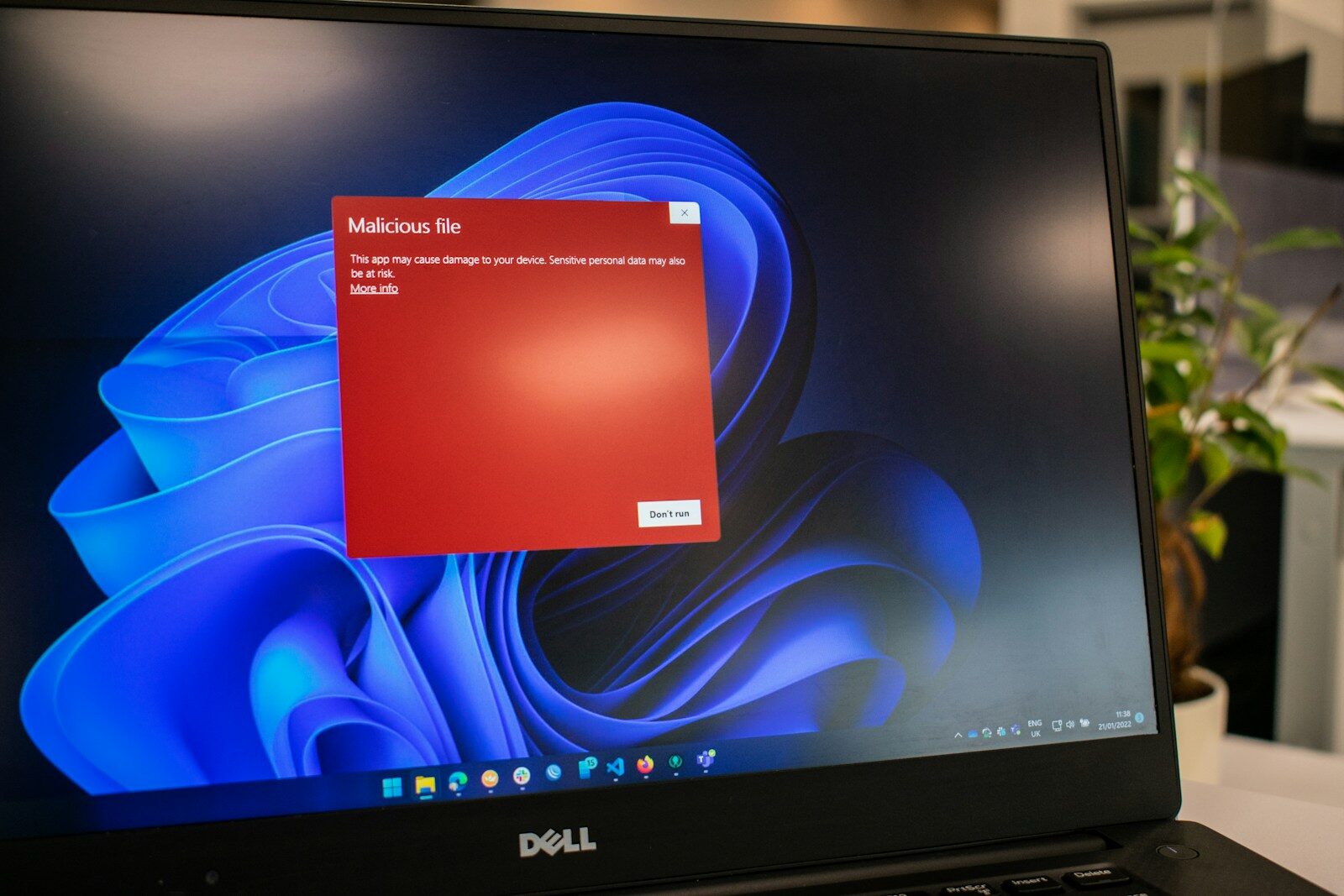
In the labyrinth of cyberspace, there lurks a menace that strikes fear into the hearts of computer users worldwide: viruses. These digital pests have plagued computers for years, and their presence shows no signs of waning. In fact, according to a report by LiveScience.com, April set a record for virus-laden emails, underscoring the relentless onslaught of these malicious programs.
Gone are the days when computer viruses were a rarity. Today, they’re an ever-present threat, capable of wreaking havoc on unsuspecting systems with devastating consequences. But what exactly are viruses, and why do people create them? Let’s delve into the world of digital pathogens to uncover the truth behind these nefarious entities.
At its core, a computer virus is a type of software designed to infiltrate, damage, or steal data from a computer system. These insidious programs propagate through various means, including email attachments, software downloads, and even sophisticated web scripts. There are different types of viruses, each with its own modus operandi: Trojan horses, which stealthily steal data; bombs, which unleash destructive payloads; and worms, which replicate themselves to spread further.
Viruses can be classified based on their location and behavior within a computer system. Boot-sector viruses, for instance, target the boot sector of a computer’s hard drive, striking as soon as the system is powered on. File viruses, on the other hand, attach themselves to executable files and activate when the infected program is launched. Some viruses exhibit characteristics of both, earning the moniker of multipartite viruses.
But what drives individuals to create these digital scourges? To shed light on this question, we gained insight from a former virus programmer who shared his motivations. According to him, his actions stemmed from a deep-seated grievance against an unnamed online service. He believed that the service inadequately protected children from harmful content, prompting him to unleash a virus aimed at disrupting its operations. However, despite his efforts, the service persevered, highlighting the futility of his actions.
While this individual’s motivations may be unique, they shed light on a broader issue: the misguided belief that harming innocent parties is justified in pursuit of a cause. Unfortunately, this mentality pervades the world of virus creation, leading to untold damage and disruption.
To protect against viruses, users rely on antivirus utilities to detect and eliminate threats. However, beyond reactive measures, there’s an opportunity for proactive intervention. By educating individuals tempted to unleash viruses on alternative avenues for expressing dissatisfaction, we can mitigate the proliferation of these digital plagues and safeguard our digital infrastructure.
In the battle against viruses, knowledge is our most potent weapon. By understanding the motivations behind these malicious programs and taking proactive steps to address them, we can create a safer digital ecosystem for all. So, next time you encounter a virus, remember that behind its code lies a tale of misguided intentions and the enduring resilience of those who strive to protect against them.